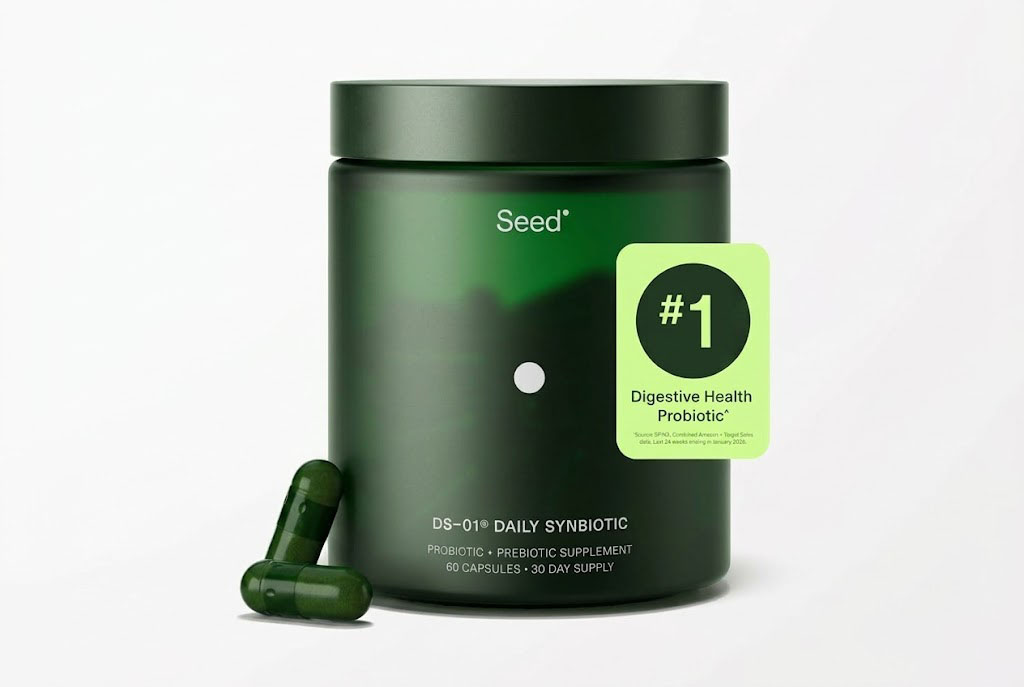
There’s a quiet shift happening in the way people think about health. It’s no longer just about counting calories or chasing the latest fitness trend—it’s about understanding the body as an interconnected system. At the center of that conversation sits the gut, a place that scientists and wellness enthusiasts alike now recognize as deeply tied to everything from digestion to immunity and even mood. This is where synbiotic supplements, particularly those from Seed Health Inc, have started to attract serious attention.
Unlike traditional probiotics, which introduce beneficial bacteria into the gut, synbiotics combine probiotics with prebiotics—the nutrients those bacteria need to thrive. It’s a more holistic approach, one that reflects how ecosystems actually function. And in a market crowded with quick fixes and vague promises, that distinction matters.
A Thoughtful Approach to Gut Health
Spend a few minutes exploring the philosophy behind Seed Health Inc, and it becomes clear that their products are designed with intention rather than trend-chasing. The brand emphasizes research-backed formulations and a broader understanding of how microbial strains interact with the human body.
Instead of offering a one-size-fits-all probiotic, their synbiotic supplements aim to support multiple systems at once. That includes digestive health, of course, but also extends to areas like skin balance, cardiovascular support, and immune function. It’s a reminder that the gut isn’t isolated—it’s central.
This whole-body perspective is particularly appealing for people who’ve tried standard probiotics without seeing meaningful results. The addition of prebiotic compounds helps create a more stable environment, giving beneficial bacteria a better chance to survive and do their job effectively.
What Sets Synbiotics Apart?
To understand why synbiotics are gaining traction, it helps to look at the limitations of earlier supplements. Many probiotics struggle with survivability—by the time they pass through stomach acid, only a fraction remain active. Without the right nutrients to sustain them, even those that survive may not colonize effectively.
Synbiotics address this challenge by pairing strains with complementary prebiotic substrates. Think of it less like planting seeds randomly and more like preparing the soil, watering it, and ensuring the conditions are right for growth. It’s a small conceptual shift with significant implications.
In practical terms, users often report a more gradual, balanced experience rather than abrupt changes. That can be especially important for individuals with sensitive digestive systems, where sudden shifts can lead to discomfort.
Design Matters: Beyond What’s Inside the Capsule
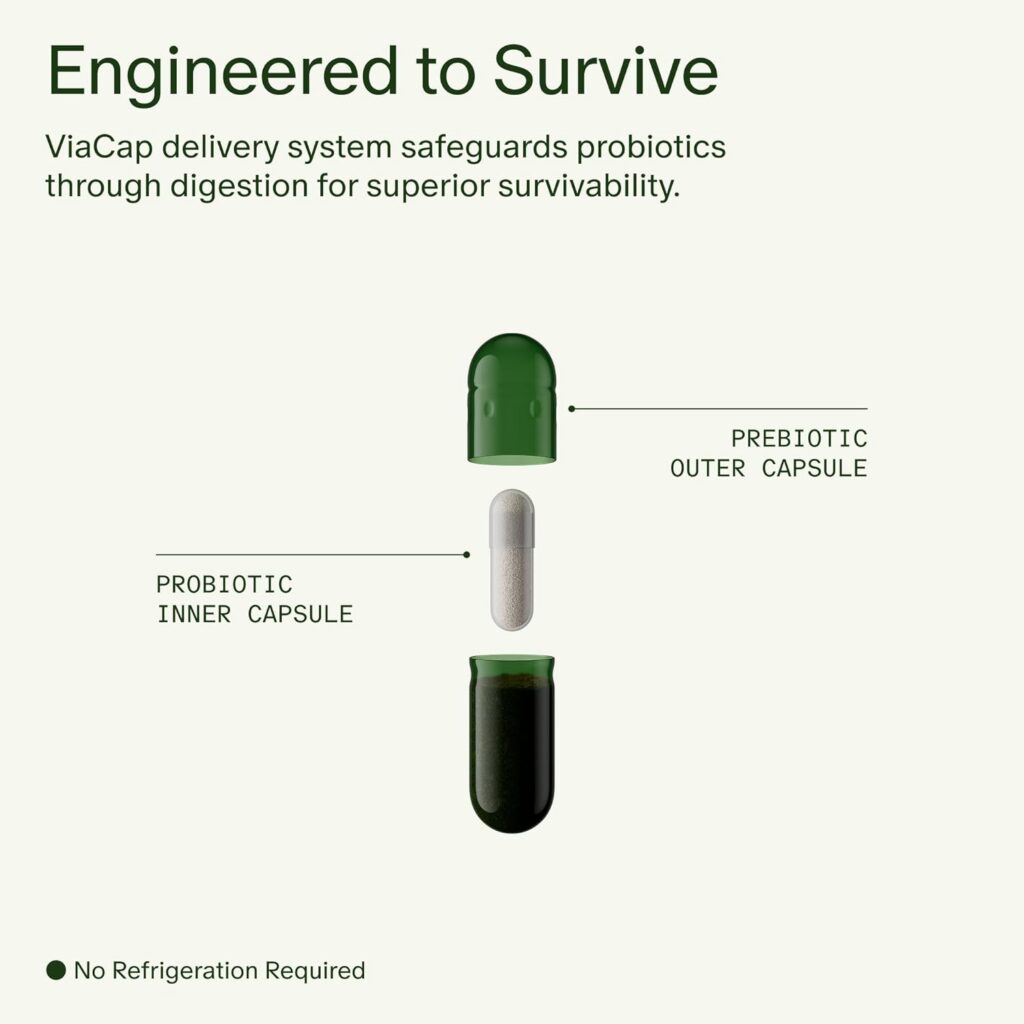
One detail that often gets overlooked in supplement discussions is delivery. It’s not just about what’s in the capsule—it’s about whether it actually reaches where it needs to go. Seed Health addresses this with a capsule-in-capsule design intended to protect probiotics as they travel through the digestive tract.
While that might sound like a technical nuance, it reflects a broader commitment to efficacy. Too many supplements rely on impressive ingredient lists without considering how those ingredients perform in real-world conditions.
That same design-forward thinking extends to sustainability. The packaging and refill system aim to reduce environmental impact, aligning with a growing consumer preference for brands that consider their footprint.
A Daily Ritual, Not a Quick Fix
One of the more refreshing aspects of Seed Health Inc products is how they position themselves—not as miracle cures, but as part of a consistent daily routine. That framing feels more honest and ultimately more useful.
Gut health doesn’t change overnight. It’s influenced by diet, stress, sleep, and countless other factors. A supplement can support that system, but it can’t replace the fundamentals. What it can do is help stabilize and reinforce the environment your body depends on.
For many users, incorporating a synbiotic becomes less about targeting a single issue and more about maintaining balance over time. That’s a subtle but important shift in mindset.
Who Might Benefit Most?
While almost anyone can explore synbiotic supplementation, certain groups may find it particularly relevant:
People with inconsistent digestion often look for ways to restore balance without resorting to harsh interventions. A synbiotic approach offers a gentler, more ecosystem-focused option.
Frequent travelers or those with irregular routines may also benefit, as changes in diet and environment can disrupt gut flora. Supporting microbial resilience can help smooth those transitions.
And then there are those simply looking to take a more proactive approach to wellness—individuals who recognize that prevention and maintenance are just as important as treatment.
The Bigger Picture: Gut Health as a Foundation
It’s easy to get caught up in the specifics of strains, delivery systems, and ingredient lists. But stepping back, the broader takeaway is this: gut health is foundational. It influences how we process nutrients, how we respond to stress, and how our immune system functions.
That’s why products like those from Seed Health Inc resonate with a growing audience. They’re not just selling supplements—they’re contributing to a more integrated understanding of health.
Of course, no single product can do everything. But when thoughtfully designed and used consistently, synbiotics can play a meaningful role in a broader wellness strategy.

Final Thoughts
In a crowded wellness market, credibility often comes down to nuance—the details that separate a well-intentioned product from a well-executed one. Seed Health’s approach to synbiotics reflects that nuance, combining scientific insight with practical design.
If you’re exploring ways to support your gut and, by extension, your overall well-being, synbiotic supplements are worth considering. Not as a shortcut, but as part of a longer, more sustainable approach to health—one that starts from within and builds outward.