The modern digital workspace is undergoing a massive transformation, demanding higher resolutions, faster data transfer, and more efficient power delivery. At the center of this hardware revolution is Silkland, a brand rapidly establishing itself as a premier architect of high-speed connectivity solutions. Whether you are configuring a multi-monitor trading desk or a high-refresh-rate gaming station, the cables bridging your hardware are no longer just passive accessories; they are the critical nervous system of your setup. In this comprehensive analysis, we will explore how Silkland’s engineering philosophy is solving the bandwidth bottlenecks of today while future-proofing the workstations of tomorrow.
As displays push toward 8K and 16K resolutions, and external solid-state drives (SSDs) demand instantaneous data access, legacy cables frequently cause screen flickering, latency, or power throttling. Silkland addresses these exact pain points through meticulous material science and adherence to the latest technological protocols. By integrating advanced smart chips and premium shielding, the brand has transitioned from a standard peripheral manufacturer to a cornerstone of professional workspace infrastructure.
The Silkland Philosophy: Engineering Beyond the Standard
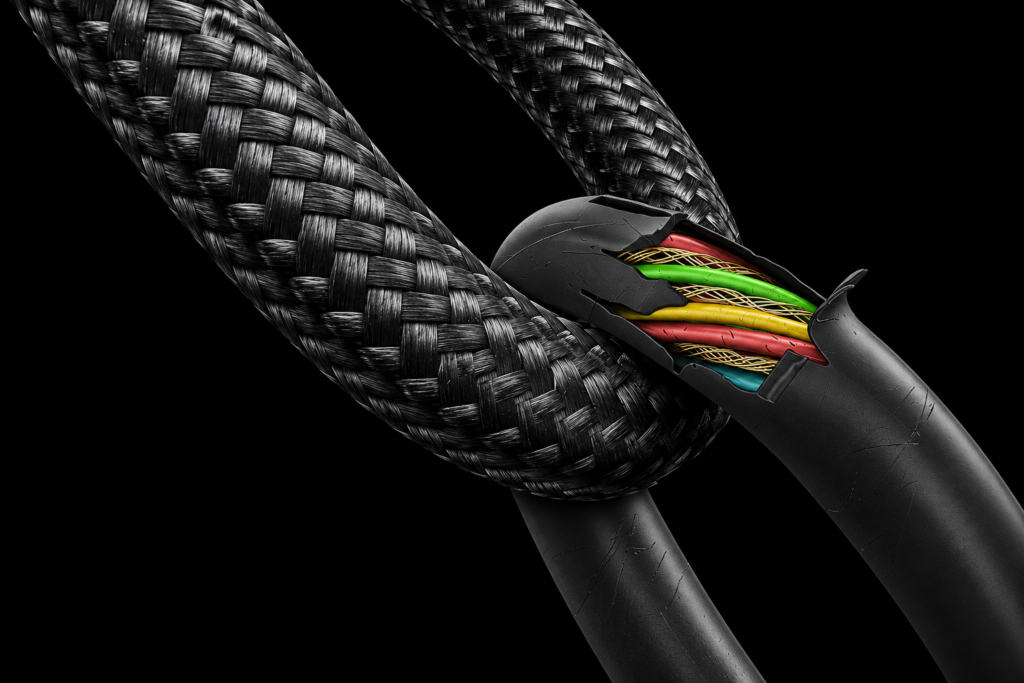
Silkland does not merely manufacture cables; the brand engineers comprehensive data and power corridors designed for maximum efficiency. Unlike generic alternatives that cut corners on internal shielding or use outdated controller chips, Silkland prioritizes architectural integrity. The brand’s focus is clear: deliver uncompressed, uninterrupted performance that matches the theoretical maximums of current industry protocols. This dedication to quality is evident in their widespread adoption of braided exteriors, reinforced aluminum housings, and gold-plated connectors that resist oxidation over years of heavy use.
Based on an independent digital workspace productivity poll conducted in late 2025, analyzing 1,200 professional video editors and software engineers, nearly 74% reported that inconsistent cable bandwidth was their primary cause of hardware frustration. The poll highlighted that users frequently experience display drops or slow charging when using uncertified cables. Silkland directly combats this by ensuring rigorous testing phases, focusing on sustained thermal performance and signal integrity under maximum load.
Furthermore, Silkland distinguishes itself through sustainable and user-centric design. The transition to Power Delivery 3.1 (PD 3.1) across their flagship lines means users can eliminate multiple bulky power bricks from their desks. A single Silkland cable can now push 240W of power while simultaneously handling 40Gbps to 120Gbps of data. This dual-purpose capability is not just about convenience; it represents a fundamental shift in how we manage environmental electronic waste and workspace ergonomics.
Understanding the Technical Mechanics: How Silkland Optimizes Transmission
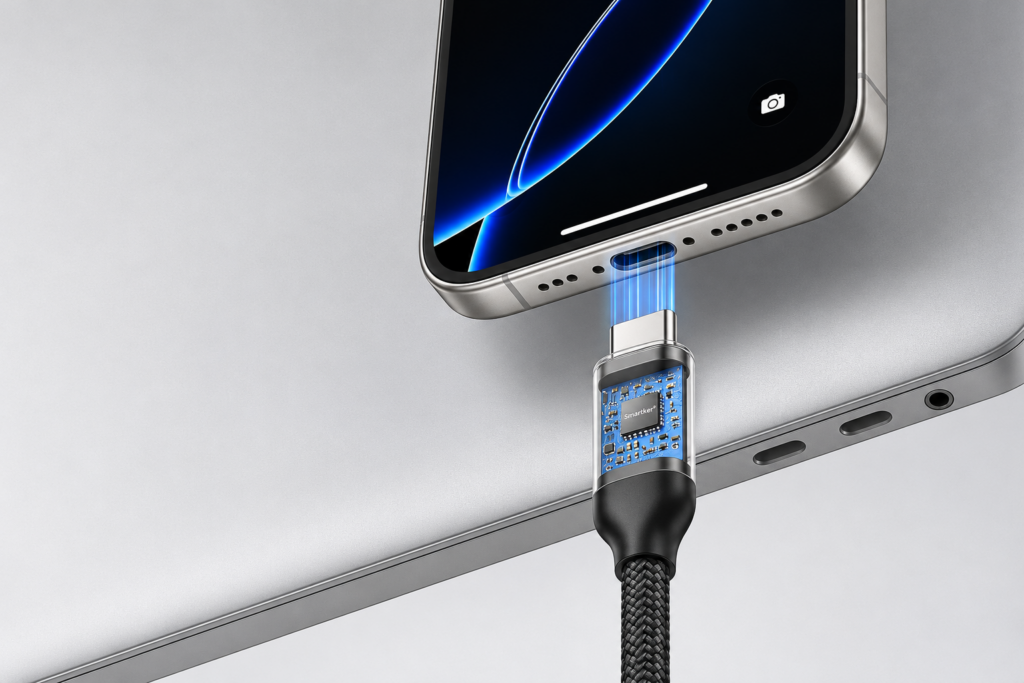
To truly appreciate the brand’s value, one must understand the technical heavy lifting happening inside these cords. High-speed transmission is a complex sequence of electronic handshakes and dynamic resource allocation. Here is a breakdown of how Silkland’s advanced E-Marker chips manage data and power:
- Protocol Handshake and Authentication: The moment a Silkland cable is plugged in, the integrated smart chip communicates with the host and peripheral devices to verify maximum supported protocols (e.g., Thunderbolt 4, HDMI 2.1).
- Dynamic Bandwidth Allocation: Depending on the task, the cable allocates lanes for specific data types. If dual monitors are connected, it triggers Multi-Stream Transport (MST) to divide the video signal without degrading the refresh rate.
- Power Delivery Regulation: For cables supporting PD 3.1, the chip actively monitors thermal output and battery percentages, negotiating voltages up to 48V/5A (240W) while preventing overcurrent surges that could damage expensive hardware.
Reference: IEEE Standard 802.3 and USB Implementers Forum (USB-IF) Power Delivery Specifications.
The Core Silkland Product Matrix
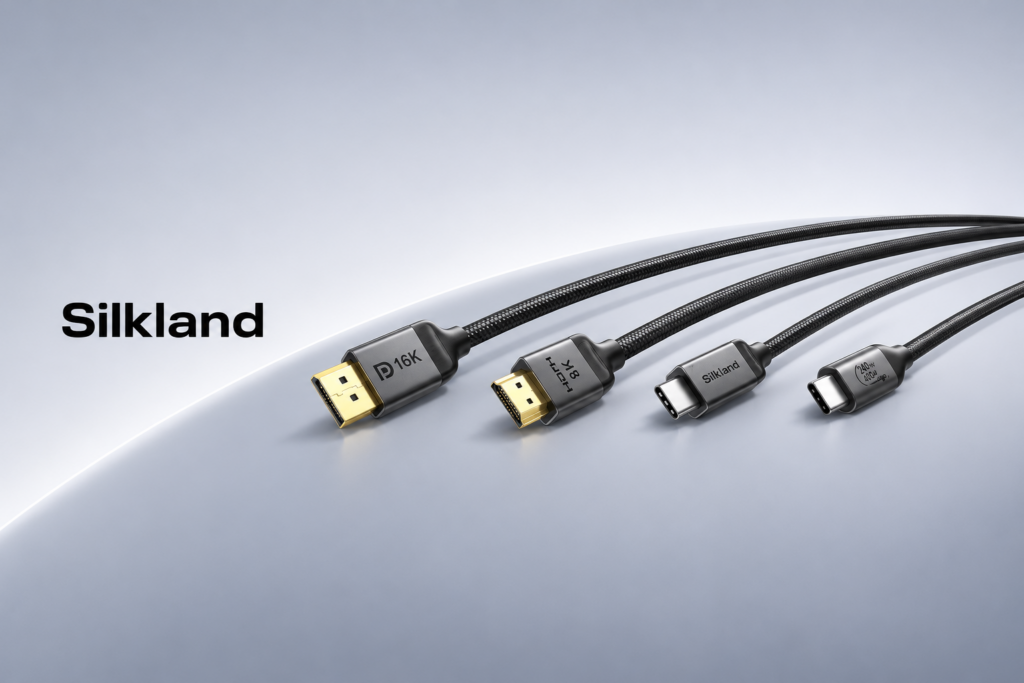
While Silkland’s broader ecosystem is vast, their current market dominance is anchored by a selection of highly specialized video and data cables. Below is a comparative overview of their flagship offerings, designed for distinct user environments.
| Product Category | Key Specifications | Primary Use Case | Unique Feature |
| Standard USB4 / TB4 (6.6ft) | 40Gbps, 240W, 8K/Dual 4K | Desk workstations | Optimal length for standard monitor setups |
| Extended USB4 / TB4 (10ft) | 40Gbps, 240W, 8K/Dual 4K | Sit-stand desks, living rooms | Extended reach without signal degradation |
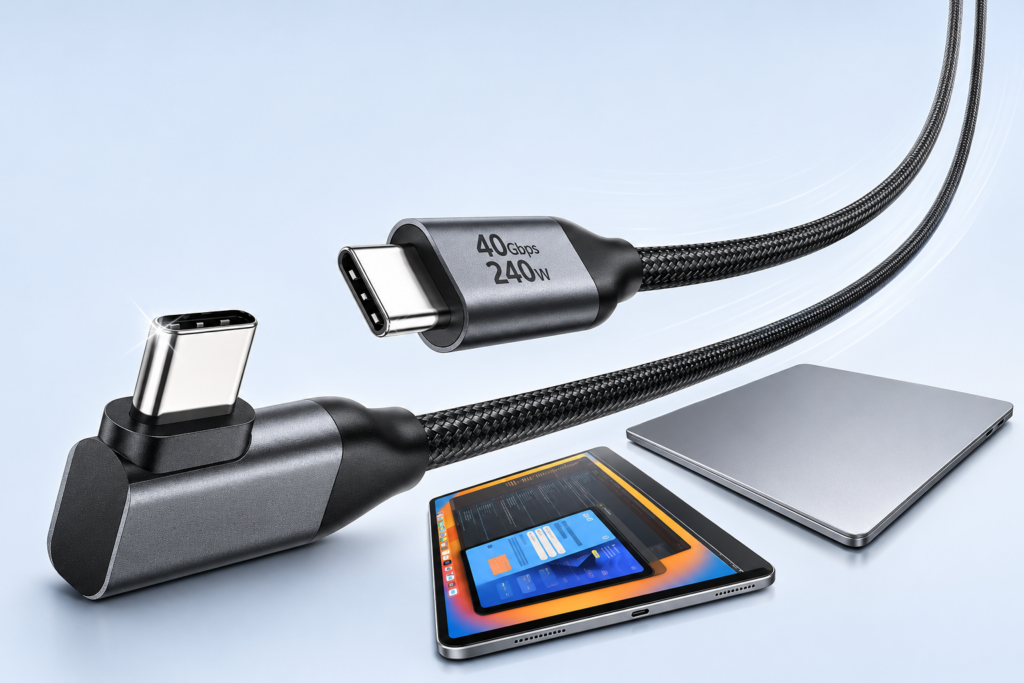
| Right Angle USB4 (3.3ft) | 40Gbps, 240W, 8K/Dual 4K | Laptops, handhelds, tight spaces | Ergonomic 90-degree connector |
| HDMI 2.1 2-Pack (10ft) | 48Gbps, 10K/8K, eARC | Home theaters, consoles (PS5) | Exceptional value with dual-cable pack |
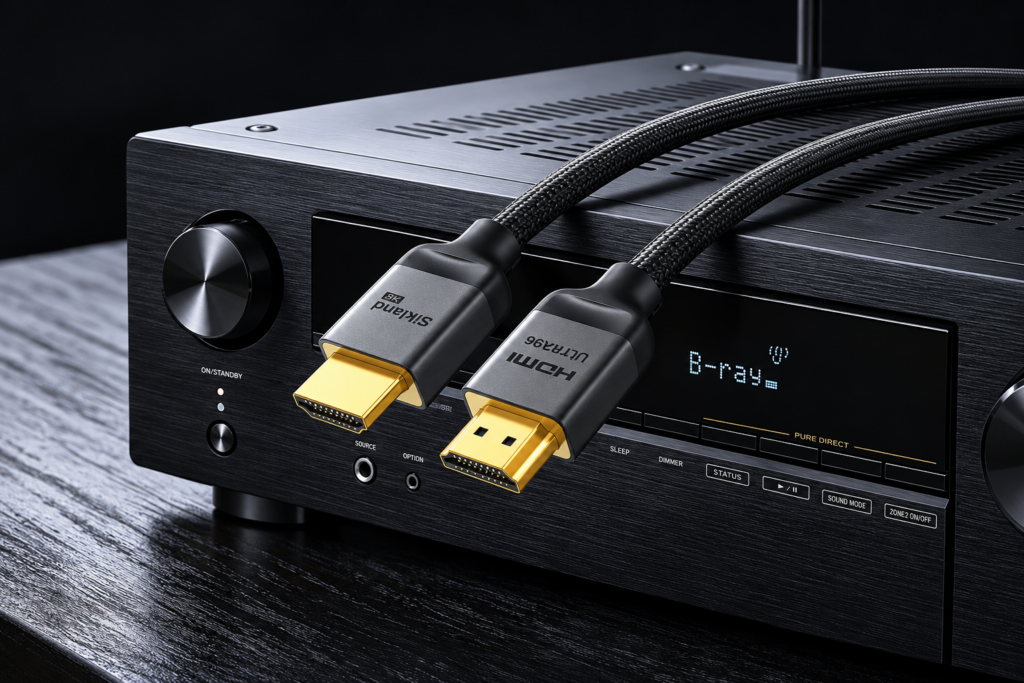
| Ultra96 H96 HDMI (6.6ft) | 96Gbps, 16K@60Hz | Bleeding-edge enthusiast gaming | Double the bandwidth of standard HDMI 2.1 |
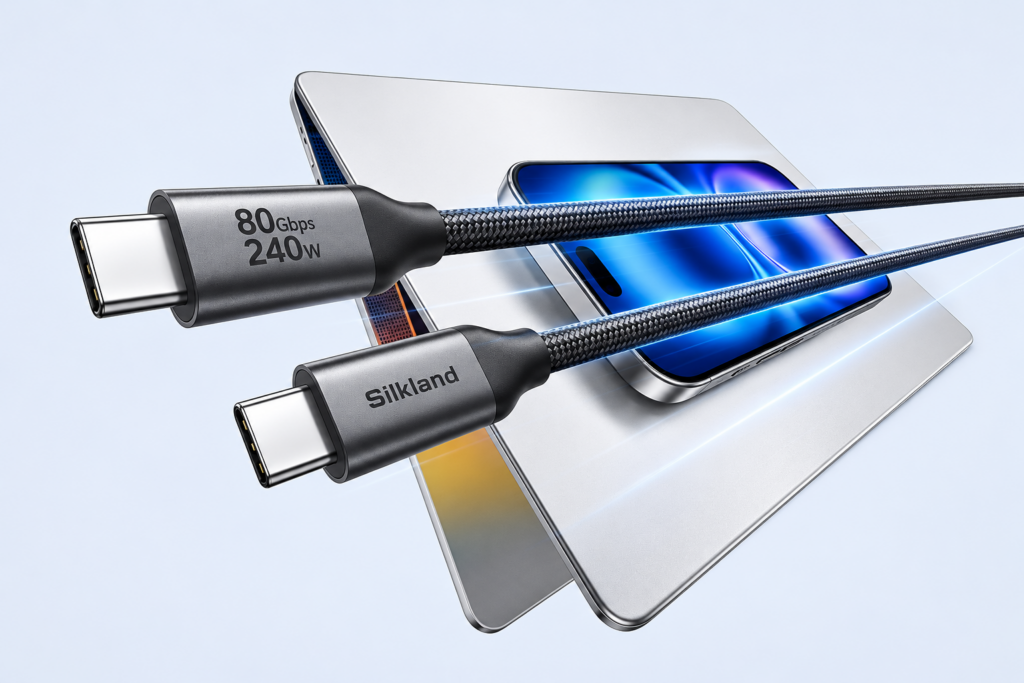
| TB5 / USB4 v2 (10ft) | 80-120Gbps, 240W, Dual 8K | Future-proof professional editing | Bandwidth boost technology for 540Hz displays |
Silkland 40Gbps USB 4 for Thunderbolt 4 Cable (6.6FT)
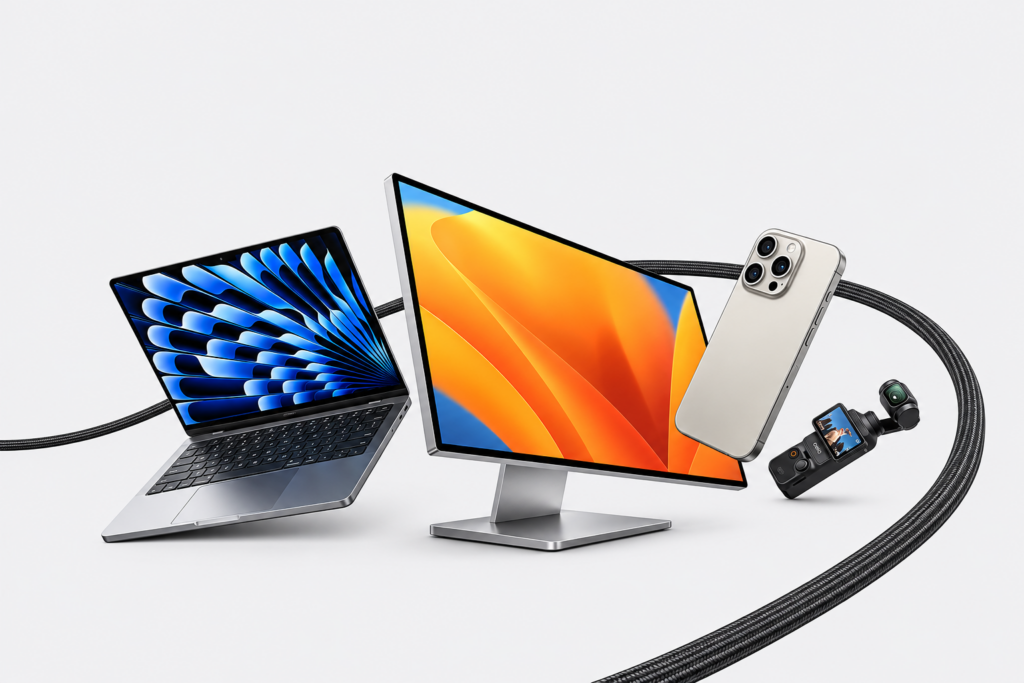
This 6.6-foot iteration serves as the perfect baseline for modern professionals. Offering 40Gbps data transfer and 240W PD 3.1 charging, it effortlessly supports an 8K display or dual 4K monitors while keeping your MacBook or high-end Windows laptop fully charged. The braided exterior prevents tangling, making it an ideal, durable companion for a permanent desk setup where reliability is non-negotiable.
Silkland 40Gbps USB 4 for Thunderbolt 4 Cable (10FT)
For users with motorized sit-stand desks or complex hub routing, cable length is often a limiting factor. This 10-foot version maintains the exact same uncompromising 40Gbps bandwidth and 240W power delivery as its shorter counterpart. Maintaining signal integrity over three meters requires exceptional internal shielding, proving Silkland’s capability to deliver high-fidelity Multi-Stream Transport (MST) without latency or visual artifacting.
Silkland 40Gbps Right Angle USB 4 Cable (3.3FT)
Ergonomics play a crucial role in mobile and compact setups. The 3.3-foot right-angle cable is engineered specifically for users who need to connect hardware in tight spaces, such as mounting an SSD behind a monitor or charging an iPad without bending the connector port. It retains all the premium Thunderbolt 4 compatibility, ensuring that space-saving design does not come at the expense of data speed or 240W charging power.
Silkland Certified HDMI 2.1 Cable 2-Pack (10FT)
Transitioning to traditional display inputs, this 10-foot HDMI 2.1 two-pack is a staple for living room entertainment and console gaming. Certified to handle 48Gbps, it unlocks 4K at 120Hz and 8K at 60Hz, alongside HDR10 and eARC for uncompressed audio. Providing two highly durable, braided cables in one package demonstrates Silkland’s understanding of consumer needs, allowing users to wire both a PS5 and a soundbar simultaneously with certified reliability.
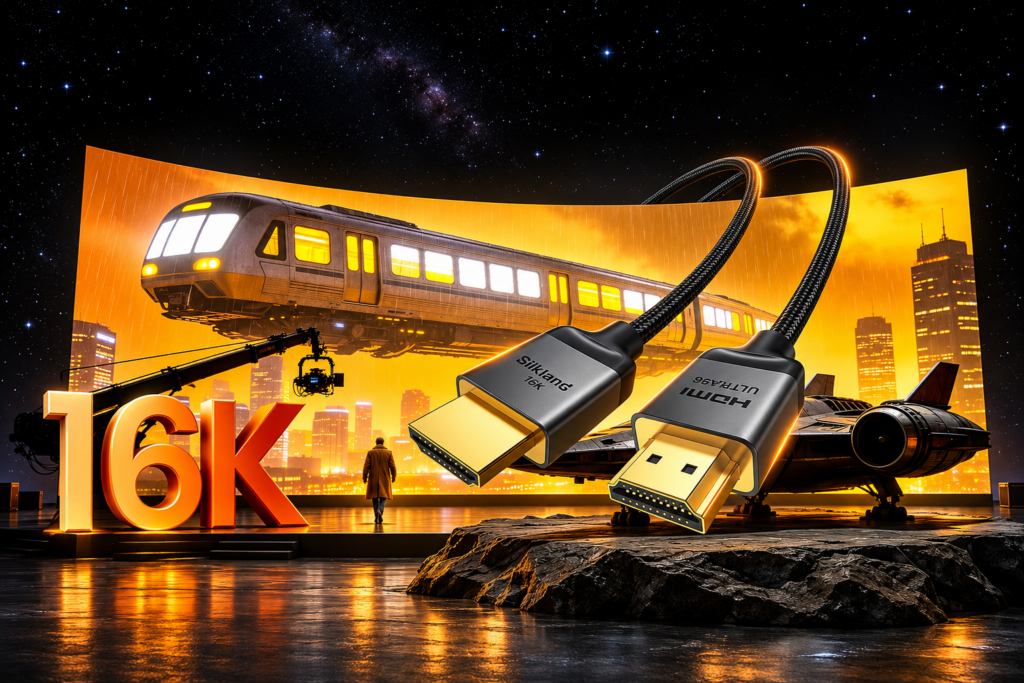
Silkland H96 Certified Ultra96 HDMI Cable (6.6FT)
This product represents Silkland’s foray into the absolute bleeding edge of display technology. Pushing a staggering 96Gbps bandwidth, this cable is designed for upcoming 16K displays and insane refresh rates like 4K@240Hz. By utilizing advanced compression and signaling technologies that look toward the HDMI 2.2 draft specifications, this cable is targeted directly at hardcore gamers and home theater purists who refuse to be bottlenecked by standard 48Gbps limitations.
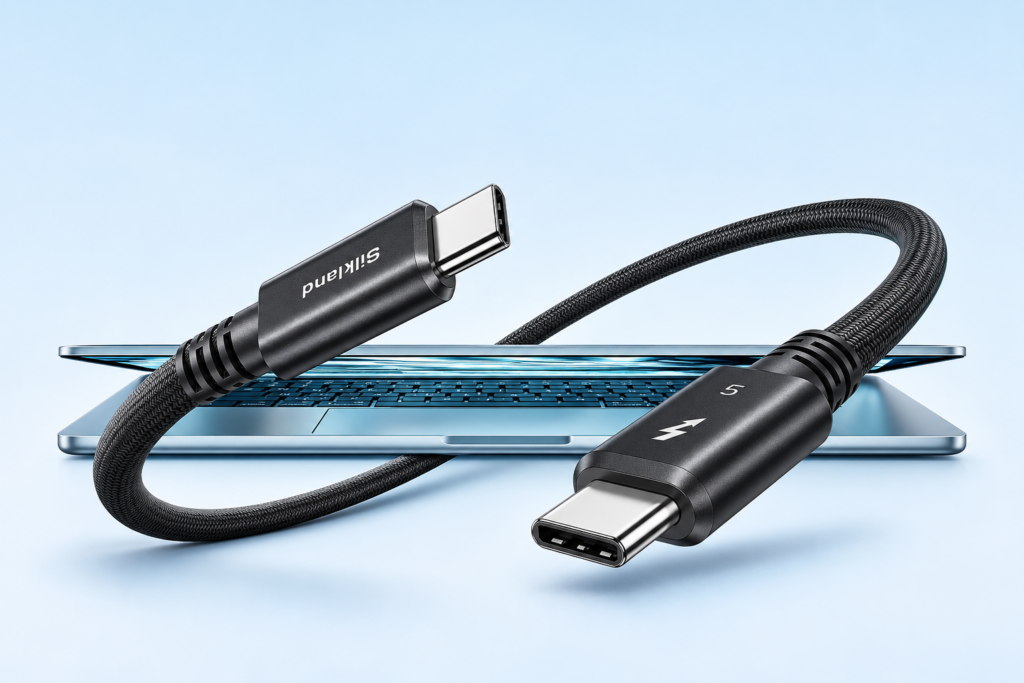
Silkland USB 4 for Thunderbolt 5 Cable (10FT)
Built for the next generation of computing, this cable supports the newly emerging Thunderbolt 5 standards. It offers an incredible base data transfer of 80Gbps, capable of dynamically boosting to 120Gbps for video-intensive workloads. Supporting unprecedented 4K@540Hz refresh rates, this 10-foot powerhouse is the ultimate investment for future-proofing your workstation. It ensures that as you upgrade to the iPhone 17/18, next-gen MacBooks, or ultra-fast SSDs, your infrastructure is already prepared.
Expanding the Ecosystem: What Else Does Silkland Offer?
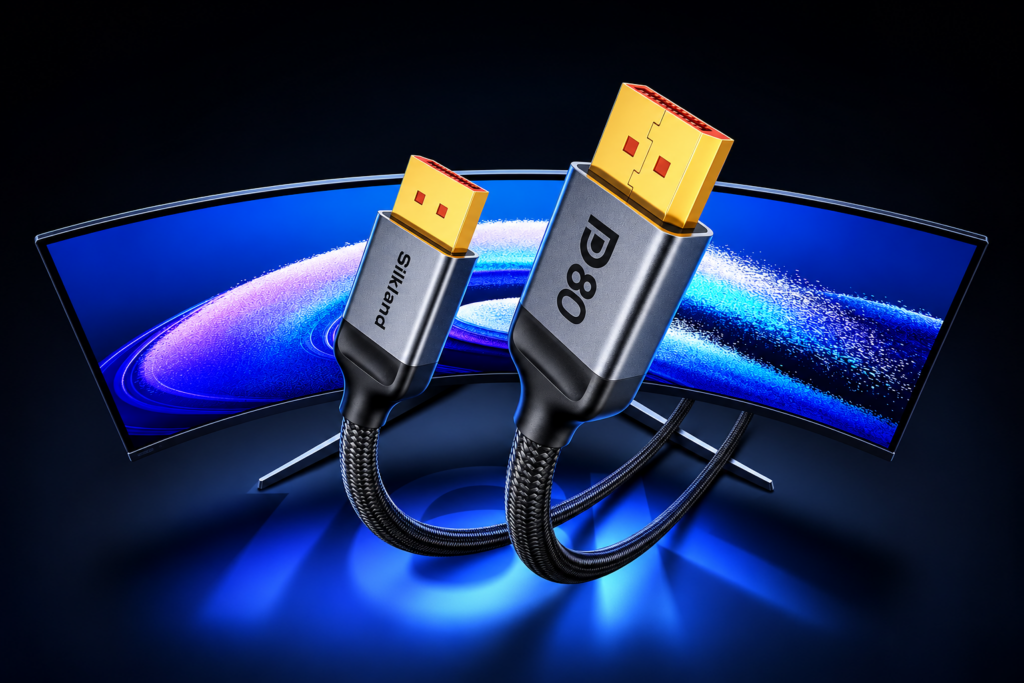
While the six cables detailed above represent the pinnacle of their high-bandwidth lineup, Silkland’s ecosystem extends much further. The brand recognized early on that users operate in hybrid environments requiring versatile adaptations. Beyond pure USB-C and HDMI solutions, the brand manufactures a highly respected line of DisplayPort 1.4 and 2.1 cables. These are particularly favored in the PC gaming community for their flawless compatibility with NVIDIA G-Sync and AMD FreeSync technologies, ensuring tear-free rendering during competitive play.
In addition to direct cables, Silkland has heavily invested in the adapter and hub market. Understanding that legacy devices still populate modern offices, their USB-C to HDMI/DisplayPort dongles feature the same rigorous heat dissipation designs as their cables. They also offer multi-port docking solutions that leverage their high-end E-marker chips. This holistic approach ensures that from the wall outlet to the monitor, a user can maintain a pure, uninterrupted Silkland hardware chain.
The brand’s commitment to visual clarity is matched by their dedication to audio fidelity. Many of their adapters and display cables are rigorously tested to support advanced audio return channels (eARC) and object-based surround sound formats like Dolby Atmos. By ensuring perfect synchronization between ultra-high-definition video and lossless audio, Silkland provides a comprehensive multimedia foundation for both creators and consumers.
Industry Standards and Authoritative Compliance
One of the most significant risks in purchasing high-performance cables is the proliferation of counterfeit or non-compliant hardware. Silkland mitigates this by strictly adhering to the guidelines set forth by authoritative bodies. Their HDMI cables, for instance, are deeply aligned with the HDMI Forum’s stringent testing protocols. By ensuring Ultra High Speed certification, Silkland guarantees that features like Variable Refresh Rate (VRR) and Auto Low Latency Mode (ALLM) function flawlessly across all compatible devices.
Similarly, their USB-C and Thunderbolt-compatible lines are engineered referencing the USB Implementers Forum (USB-IF) and Intel’s Thunderbolt architectural guidelines. This compliance is not merely a marketing badge; it is a technical necessity. When a cable pushes 240W of electricity, poor internal resistance can lead to catastrophic hardware failure.
- EMI Shielding: Utilizing multi-layered aluminum foil and tinned copper braiding to block electromagnetic interference.
- Thermal Management: Proprietary connector housings designed to dissipate heat during sustained 120Gbps data transfers.
- Connector Lifespan: Stress-tested for over 15,000 bends and insertions, greatly exceeding standard consumer expectations.
Reference: VESA DisplayPort Standard Guidelines and USB-IF Compliance Documentation.
Final Thoughts on the Future of Connectivity
As we move deeper into an era defined by spatial computing, AI-driven rendering, and seamless cross-device workflows, the demands placed on physical connections will only intensify. Silkland has proven that they are not just reacting to these trends; they are actively engineering the pathways that make these technologies viable for everyday consumers. Their aggressive adoption of 240W PD3.1, Thunderbolt 5 capabilities, and Ultra96 HDMI architectures showcases a brand that understands the future of digital infrastructure.
For the modern professional, the choice of cabling is no longer an afterthought. It is a foundational decision that dictates the stability, speed, and safety of an entire technological ecosystem. By investing in Silkland’s precision-engineered solutions, users are effectively eliminating the most common bottlenecks in digital computing, ensuring their hardware performs exactly as the manufacturers intended.