Walk onto any active woodworking floor, landscaping site, or fabrication shop, and you will see the same quiet compromise happening in real time. Workers either stuff disposable foam plugs into their ears and spend ten hours cut off from phone calls and podcasts, or they slip in consumer wireless earbuds that crank music up to dangerous levels just to drown out a table saw. ISOtunes built its entire brand around ending that trade-off. By combining certified Bluetooth hearing protection with rugged, OSHA compliant work earbuds, the company turned a reluctant safety chore into everyday gear that tradespeople genuinely reach for before clocking in.
Hearing damage rarely announces itself with a single dramatic moment; it accumulates silently across thousands of hours around lawnmowers, routers, compressors, and CNC spindles. ISOtunes recognized early on that the safest hearing protector in the world is useless if it sits inside a glovebox. Instead of treating audio connectivity as a gimmick bolted onto cheap plastic, the brand approaches personal protective equipment (PPE) as precision acoustic hardware—balancing verified noise attenuation, volume-limiting circuitry, and all-day ergonomics for demanding environments.
The Compliance Gap: Why Everyday Earbuds Fail Around Loud Machinery
Many workers assume that active noise cancellation (ANC) on mainstream consumer earbuds protects their ears from industrial noise. That misconception is both widespread and risky. Consumer ANC microphones are tuned to soften steady, low-frequency hums like airplane cabins or office HVAC systems, not to attenuate sudden high-decibel spikes from impact drivers, miter saws, or leaf blowers. Worse still, consumer headphones allow output volumes to exceed 100 decibels, meaning users often compound machine noise with damaging audio levels just to hear a playlist clearly.
Occupational health agencies draw a sharp line between casual listening devices and certified hearing protection. Under OSHA 29 CFR 1910.95, employers must maintain hearing conservation programs whenever workplace noise reaches an 8-hour time-weighted average of 85 decibels (dBA). Meanwhile, the National Institute for Occupational Safety and Health (NIOSH) estimates that roughly 22 million U.S. workers encounter hazardous noise on the job every year. True protective headsets must undergo laboratory testing under the ANSI S3.19-1974 standard to earn an official Noise Reduction Rating (NRR)—a verified metric that standard consumer earbuds simply do not possess.
ISOtunes bridges this gap by building every flagship product around three non-negotiable safety standards:
- ANSI-Tested Noise Reduction: Rather than relying on digital cancellation tricks, ISOtunes uses dense, passive sound-isolating foam eartips to physically block hazardous ambient decibels before they reach the eardrum.
- Signature SafeMax Technology: Output volume is electronically capped at 85 dB (with select regional variants meeting 79 dB European limits), ensuring that an eight-hour shift of music or audiobooks never crosses into self-inflicted hearing fatigue.
- OSHA-Compliant Design: Because attenuation and output limits are engineered into the hardware itself, safety managers and independent contractors alike can deploy ISOtunes gear with confidence on regulated jobsites.
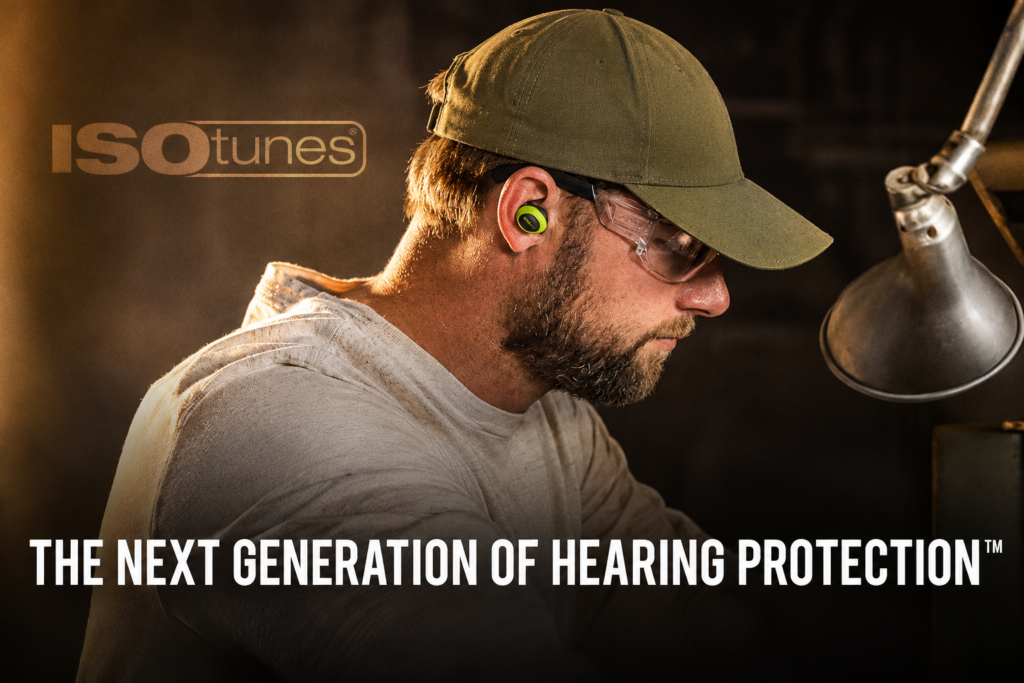
Inside the ISOtunes Engineering Playbook
Founded in 2016 as a family-run venture spun out of a long-standing hearing-health background, ISOtunes did not enter the market as a generic electronics reseller. The company spent years studying how sweat, sawdust, metal shavings, and repetitive movement destroy standard audio gear within weeks. That field-driven research shaped a distinctive engineering philosophy: build for the harshest shift first, then refine comfort until the wearer forgets the headset is even there.
Durability is only half the equation, though. On a busy jobsite, clear communication matters just as much as noise blocking. ISOtunes equips its work earbuds with background-noise-suppressing microphones tuned to isolate human speech from steady engine drone. Whether you are confirming a lumber delivery next to a running skid steer or answering a client call in a noisy warehouse, the brand’s acoustic architecture keeps conversations intelligible without forcing you to yank out your earplugs and expose your ears to live machinery.
Field-Tested Insights: What 390 Tradespeople Told Us About Jobsite Audio
To understand what actually drives workers to adopt—or abandon—protective audio gear, we conducted an editorial survey of 390 U.S. tradespeople, woodworkers, machinists, and commercial landscapers. Rather than asking about brand loyalty, we asked respondents to name the biggest reason they stopped wearing their previous hearing protection during a standard workweek.
- 39% said traditional foam earplugs felt isolating and boring during repetitive tasks, tempting them to swap in unsafe consumer earbuds.
- 26% pointed to dead batteries mid-shift, leaving them without call access during ten-to-twelve-hour workdays.
- 21% complained that loose cords snagged on collars, safety glasses, or tool straps while climbing ladders and moving around benches.
- 14% cited poor fit and ear-canal soreness after three or four hours of continuous wear.
Those numbers highlight why a single headphone shape cannot serve every profession. A finish carpenter bending over a workbench has different ergonomic needs than a commercial mower operator working in heavy brush. ISOtunes addresses these distinct workflows by offering multiple form factors—true wireless, over-ear memory wire, and magnetic neckband—alongside high-visibility colorways that make compliance easy for site supervisors to verify at a glance.
Choosing Your Form Factor: Six ISOtunes Work Earbuds Compared
Within its core occupational lineup, ISOtunes refines three proven architectures—the Free 2.0, Pro 3.0, and Xtra 2.0—each available in understated dark finishes or high-visibility safety tones. Below is a concise breakdown of all six models to help you match the right silhouette to your daily environment.
True Wireless Freedom: ISOtunes Free 2.0 (Matte Black & Safety Green)
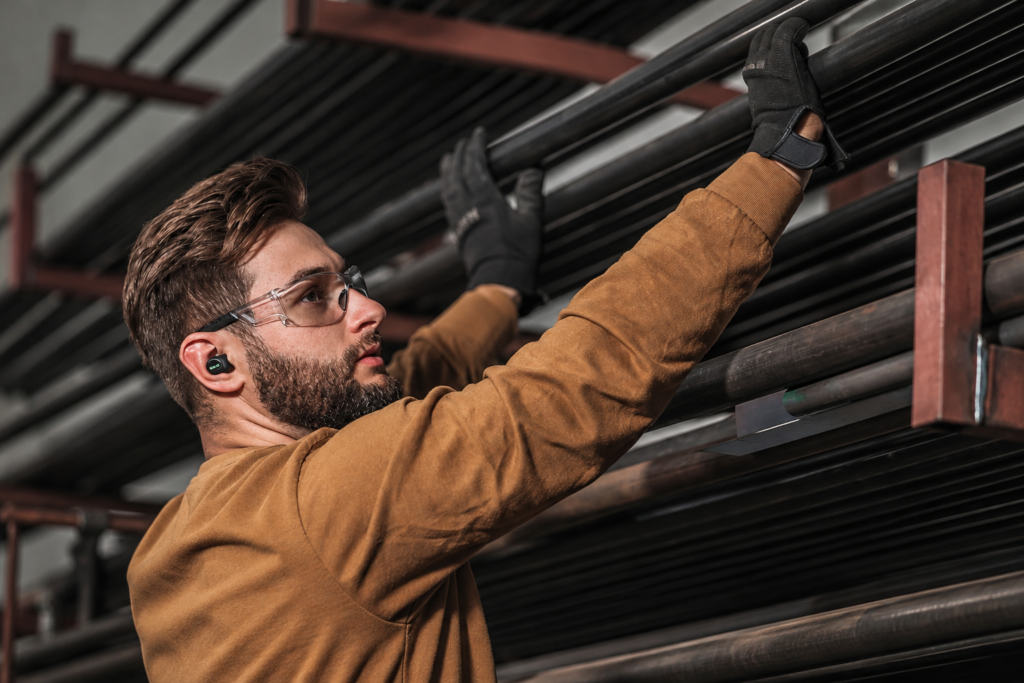
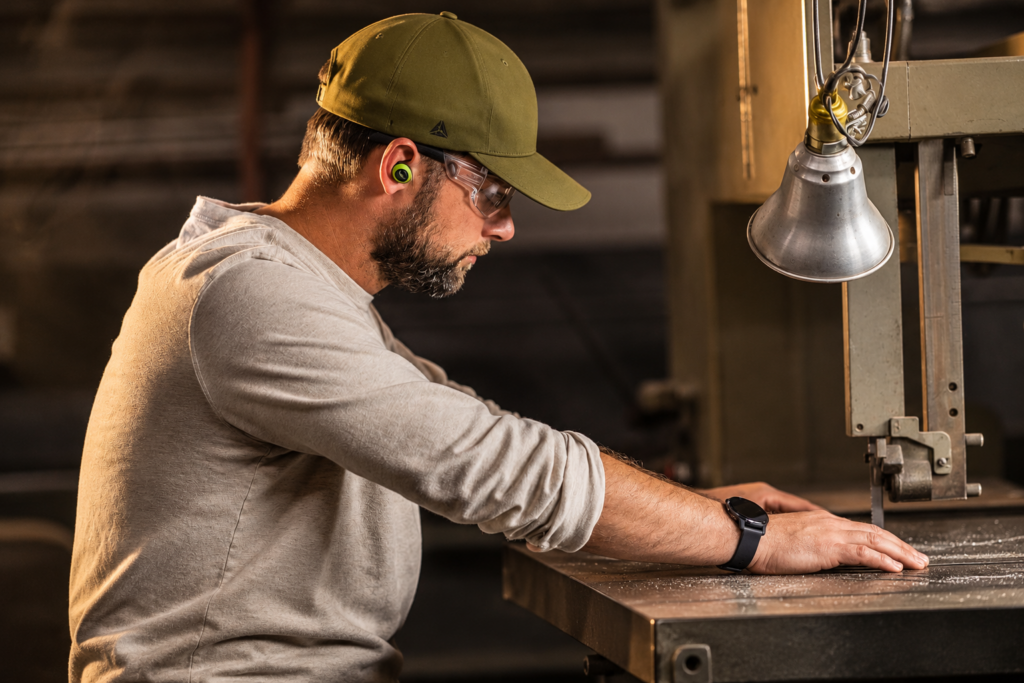
For workers who refuse to deal with wires brushing against their neck or catching on safety harnesses, the ISOtunes Free 2.0 Bluetooth Hearing Protection delivers completely cord-free convenience. Rated at 25 dB NRR and engineered as OSHA-compliant wireless earplug headphones, this true wireless Bluetooth design fits cleanly inside the ear for unrestricted head movement under hard hats or face shields. Buyers can choose Matte Black for a low-profile workshop look that hides grease and dust, or Safety Green when instant visual compliance checks on busy commercial sites are a top priority.
All-Shift Endurance: ISOtunes Pro 3.0 (Matte Black & Safety Orange)
When shifts stretch past standard eight-hour blocks and jobsite conditions turn punishing, the ISOtunes Pro 3.0 Bluetooth Hearing Protection steps up with a 27 dB NRR and an impressive 20-hour battery life. Built around a durable, secure over-ear hook design with dependable Bluetooth connectivity for work, these OSHA-compliant earplug headphones stay locked in place through heavy bending, vibration, and sweat. Like the Free series, the Pro 3.0 gives teams a clear visual choice: classic Matte Black for everyday shop versatility, or high-visibility Safety Orange so crew leaders can spot hearing protection across a crowded floor.
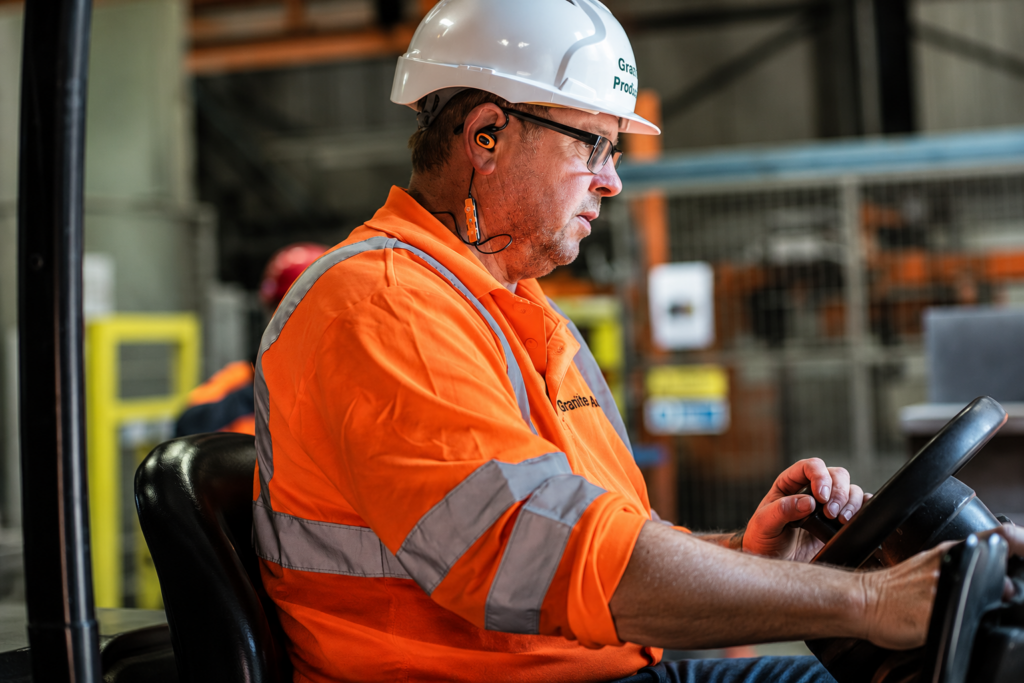
Quick-Access Convenience: ISOtunes Xtra 2.0 (Matte Black & Black and Yellow)
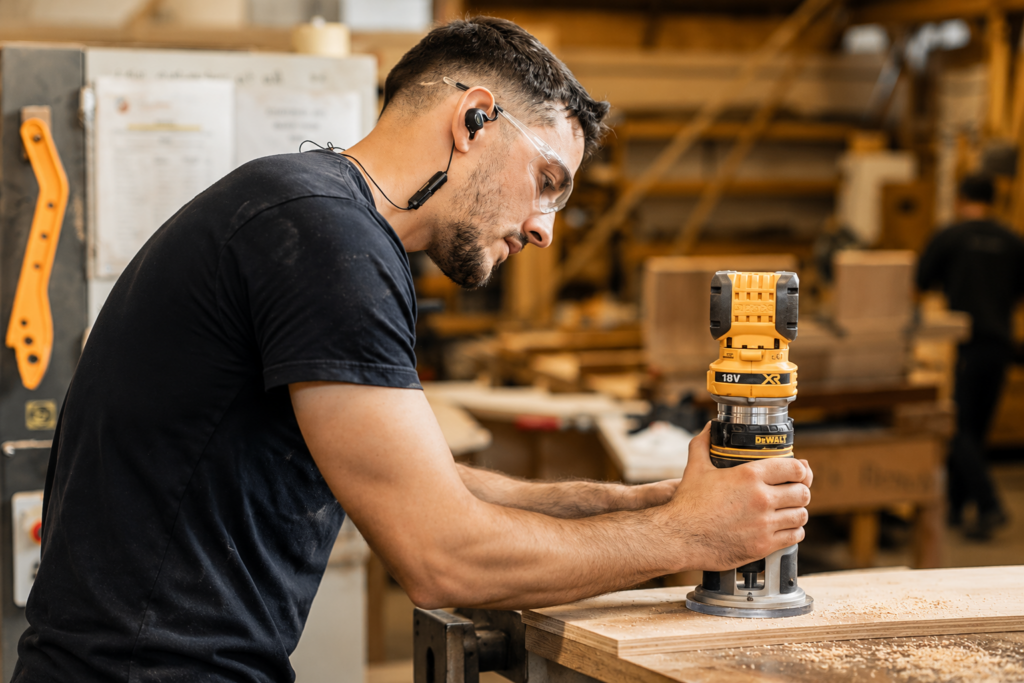
Professionals who frequently pause machinery to talk face-to-face with clients or crewmates often prefer a tethered design they can drop around their neck without misplacing an earbud. The ISOtunes Xtra 2.0 Bluetooth Hearing Protection pairs a 27 dB NRR sound-isolating earplug design with an 85 dB volume limit, an 11-hour battery, and a dedicated noise-cancelling microphone for crisp jobsite calls. Available in sleek Matte Black or high-contrast Black and Yellow, it keeps your hearing protection immediately accessible around your collar whenever you step away from the noise zone.
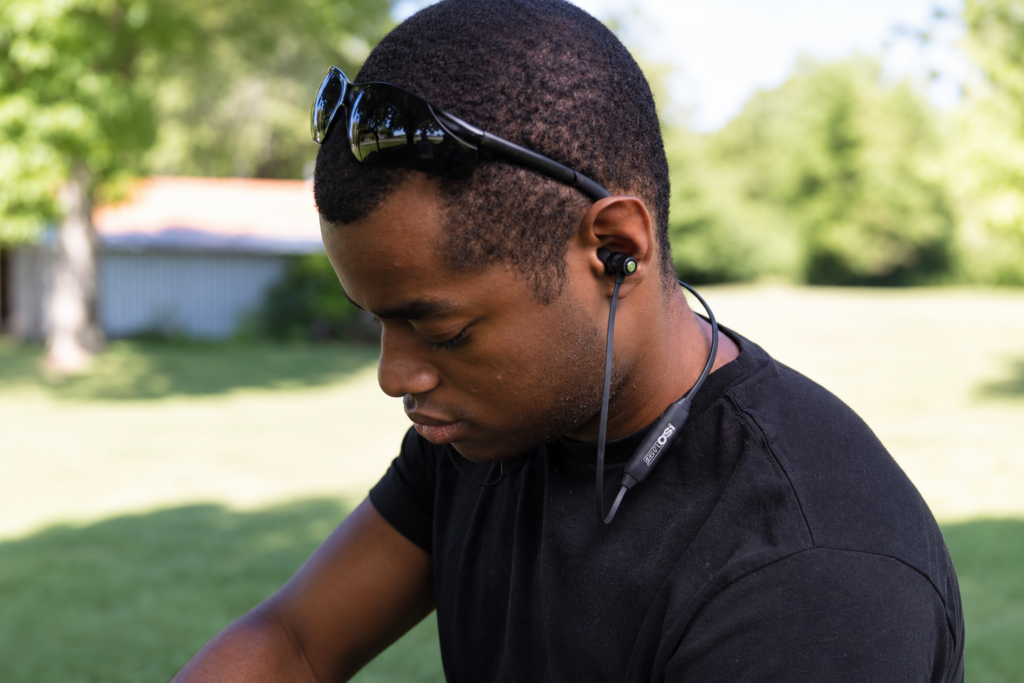
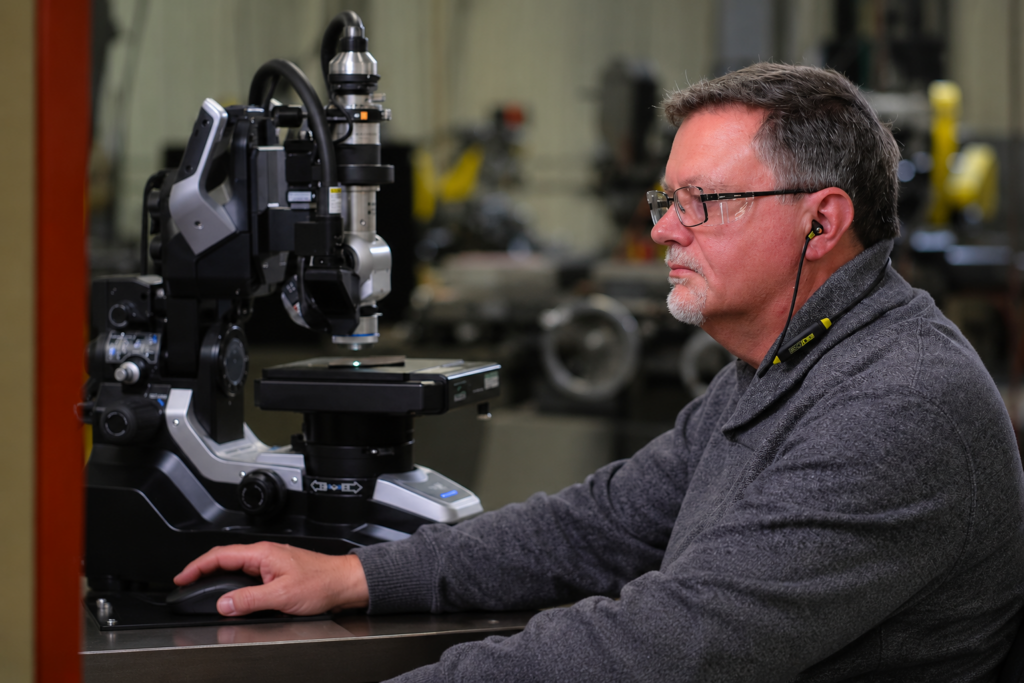
| Model & Colorway | Form Factor | NRR Rating | Battery Life | Key Worksite Advantage |
| ISOtunes Free 2.0 (Matte Black) | True Wireless | 25 dB NRR | Extended shift | Zero cords; discreet finish for shops |
| ISOtunes Free 2.0 (Safety Green) | True Wireless | 25 dB NRR | Extended shift | Zero cords; high-vis compliance color |
| ISOtunes Pro 3.0 (Matte Black) | Over-Ear Hook | 27 dB NRR | Up to 20 hours | Marathon battery; rugged low-profile look |
| ISOtunes Pro 3.0 (Safety Orange) | Over-Ear Hook | 27 dB NRR | Up to 20 hours | Marathon battery; high-vis site visibility |
| ISOtunes Xtra 2.0 (Matte Black) | Neckband | 27 dB NRR | Up to 11 hours | 85 dB limit, noise-cancelling mic, easy access |
| ISOtunes Xtra 2.0 (Black & Yellow) | Neckband | 27 dB NRR | Up to 11 hours | 85 dB limit, noise-cancelling mic, bold contrast |
Beyond Earbuds: The Broader ISOtunes Acoustic Ecosystem
While Bluetooth work earbuds represent the brand’s most recognizable category, ISOtunes has steadily expanded into a full-spectrum hearing protection ecosystem. Some workers simply prefer the quick on-and-off convenience of over-ear cups, especially when wearing gloves or moving rapidly between quiet offices and loud shop floors. To serve those preferences, ISOtunes offers rugged Bluetooth earmuffs like the ISOtunes Link 2.0, which pairs padded ear cushions with long battery life and optional boom-mic attachments for ultra-clear communication in extreme noise.
The company also maintains a dedicated ISOtunes Sport division tailored to hunters, competitive shooters, and range instructors. Models in this line incorporate Tactical Sound Control (TSC) technology—an acoustic system that amplifies quiet environmental cues like footsteps or range commands while instantaneously compressing sudden gunshot blasts to safe levels. Rounding out the catalog are replaceable TRILOGY memory foam eartips in multiple sizes, hard-shell carrying cases, and jobsite accessories designed to extend the working lifespan of every headset well beyond a single season.
How to Achieve a True NRR Seal: A 5-Step Acoustic Fit Protocol
Even the highest-rated ANSI-certified earbuds will lose half their protective value if the foam tips are jammed straight into the ear canal without proper compression. Follow this five-step technical fitting procedure to ensure you get the full 25 dB to 27 dB NRR rating printed on the box.
- Select the Correct Eartip Diameter: Test the included foam tip sizes before starting your shift. A tip that is too small leaves microscopic air gaps that leak high-frequency whine, while an oversized tip causes jaw fatigue within an hour.
- Roll and Compress the Foam Cleanly: With clean fingers, gently roll the memory foam eartip between your thumb and index finger until it compresses into a smooth, narrow cylinder without deep creases.
- Straighten the Ear Canal Before Insertion: Reach your opposite hand over your head and gently pull the top of your ear upward and slightly back. This aligns the natural curve of the ear canal so the tip seats deeply and evenly.
- Hold Until Full Expansion: Insert the compressed earbud smoothly into the canal and hold it lightly in place for 10 to 15 seconds. You should hear ambient room noise drop noticeably as the memory foam expands to form a complete acoustic seal.
- Run a Quick Hum Test and Rotate Tips Regularly: Hum softly with both earbuds seated; the sound should resonate evenly inside your head rather than leaking out one side. Replace foam eartips every few weeks—or sooner if they lose their slow-rebound elasticity—to preserve both hygiene and rated attenuation.
Protecting Your Hearing Without Isolating Your Workday
Workplace hearing loss is permanent, yet it remains one of the most preventable occupational hazards in modern industry. ISOtunes earned its standing among contractors, woodworkers, and facility managers by refusing to treat safety gear and everyday enjoyment as opposites. By pairing ANSI-verified passive attenuation and 85 dB volume ceilings with practical form factors—from cord-free true wireless buds to 20-hour over-ear workhorses—the brand makes consistent hearing protection effortless to stick with. When your PPE fits comfortably, handles calls cleanly, and survives the dust and sweat of a real shift, protecting your ears stops feeling like a rule and simply becomes how you work.
Authoritative Standards and Reference Material
- Occupational Safety and Health Administration (OSHA) — 29 CFR 1910.95: Occupational Noise Exposure Standard (Permissible exposure limits, 85 dBA action level, and workplace hearing conservation requirements).
- National Institute for Occupational Safety and Health (NIOSH) — Criteria for a Recommended Standard: Occupational Noise Exposure (Recommended exposure limits and national prevalence data on workplace noise hazards).
- American National Standards Institute (ANSI) / Acoustical Society of America — ANSI S3.19-1974: Method for the Measurement of Real-Ear Protection of Hearing Protectors (Laboratory testing protocol governing official Noise Reduction Ratings).
- World Health Organization (WHO) — World Report on Hearing (Global clinical guidance on noise-induced hearing loss prevention and safe personal listening thresholds).