There’s a quiet shift happening in personal tech. Screens are getting closer, lighter, and more integrated into daily life—not louder or more intrusive. That’s where smart glasses have begun to feel less like a novelty and more like a practical tool. RayNeo, a brand steadily building a reputation in this space, has leaned into that idea with a lineup of smart glasses designed for everyday viewing and productivity.
If you’ve ever wished you could watch a show on a “big screen” during a flight without carrying extra devices, or needed a more flexible way to manage work tasks on the go, RayNeo is positioning itself right at that intersection of convenience and capability.
Where Smart Glasses Actually Make Sense
Smart glasses have been talked about for years, but adoption has been slow—mostly because many early versions felt experimental or impractical. What’s different now is how clearly defined the use cases have become. Instead of trying to replace everything, devices like RayNeo glasses focus on doing a few things well: immersive viewing, portable productivity, and seamless device pairing.
Think about the moments when you typically reach for a screen: commuting, working remotely, or relaxing at home. Now imagine having a large, private display without actually holding anything in your hands. That’s the appeal here—not futuristic hype, but small, tangible improvements to daily routines.
A Closer Look at Everyday Viewing
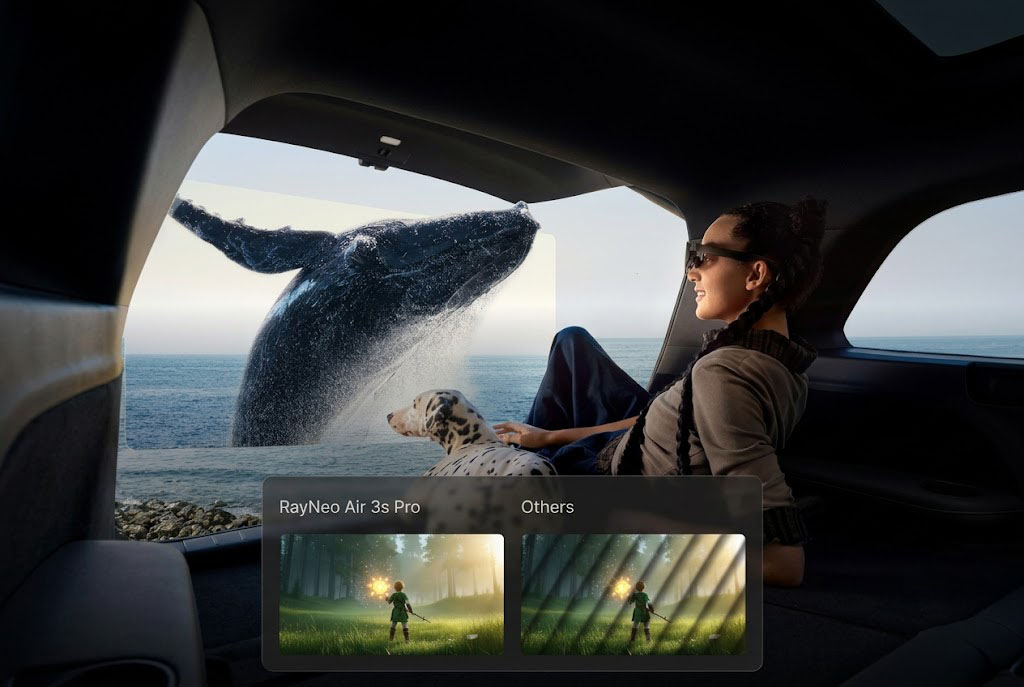
One of the most immediate advantages of RayNeo smart glasses is how they handle media consumption. Instead of staring down at a phone or balancing a tablet, you get a more natural viewing angle. The display appears as a large virtual screen in front of you, which can make everything from movies to YouTube videos feel more immersive.
What stands out isn’t just the size of the virtual display, but the consistency. Whether you’re sitting in a coffee shop or lying back on a couch, the experience stays stable and personal. For frequent travelers, this can be especially appealing—no more fighting for seatback screens or adjusting tiny brightness controls on a phone.
And because RayNeo glasses connect easily to smartphones, tablets, and laptops, there’s no complicated setup involved. It’s closer to plugging in headphones than configuring a new system.
Productivity Without the Usual Constraints
It’s easy to think of smart glasses as entertainment devices first, but productivity is where they quietly become more interesting. With the right setup, you can extend your workspace beyond the limits of a laptop screen.
For example, working on documents, reviewing presentations, or even managing emails can feel less cramped when you’re not confined to a 13-inch display. The glasses create a sense of space that’s surprisingly helpful for focus—especially in environments where setting up a full workstation isn’t practical.
This doesn’t mean they replace traditional monitors, but they do offer a flexible alternative. Digital nomads, remote workers, and even students can benefit from having a portable “second screen” that doesn’t take up any physical space.
Design That Doesn’t Scream “Gadget”
One of the biggest hurdles for wearable tech has always been design. If it looks too futuristic, people hesitate to wear it in public. RayNeo seems to understand this balance well. The glasses are styled to resemble modern eyewear rather than experimental hardware.
That subtlety matters more than you might expect. When something blends into your daily outfit, you’re more likely to use it regularly. It’s not just about aesthetics—it’s about removing friction from adoption.
Comfort also plays a role here. Lightweight construction and thoughtful ergonomics mean you can wear the glasses for extended periods without constantly adjusting them. That’s essential if they’re going to be part of your work or entertainment routine.
Compatibility and Practical Use
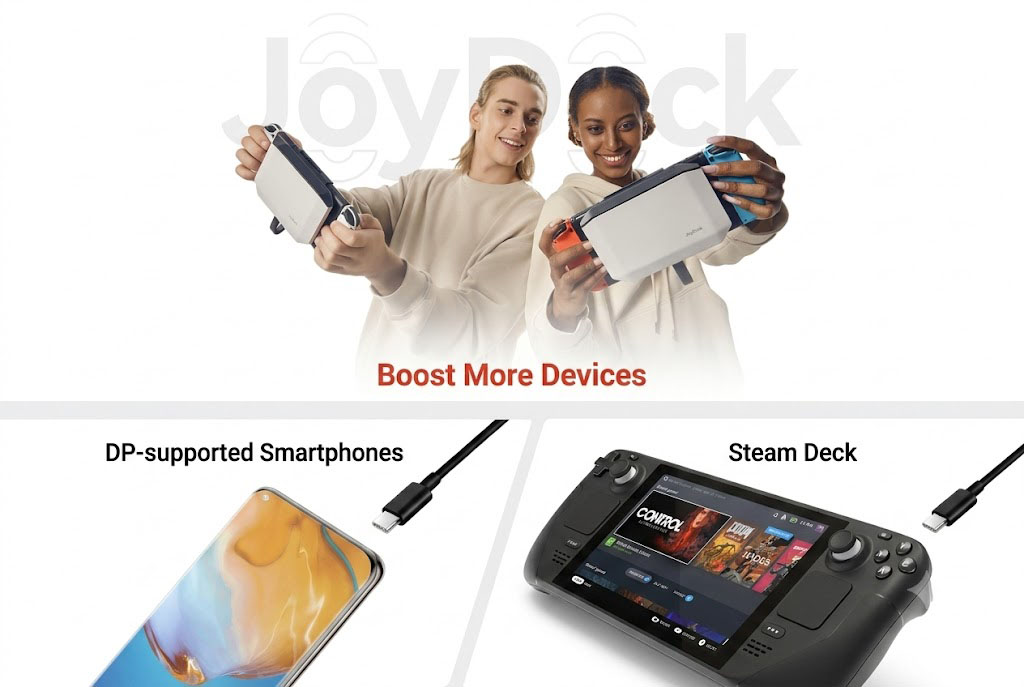
A device like this only works if it fits into your existing ecosystem. RayNeo smart glasses are designed to integrate with commonly used devices, which reduces the learning curve significantly. You don’t need to overhaul your setup or switch platforms.
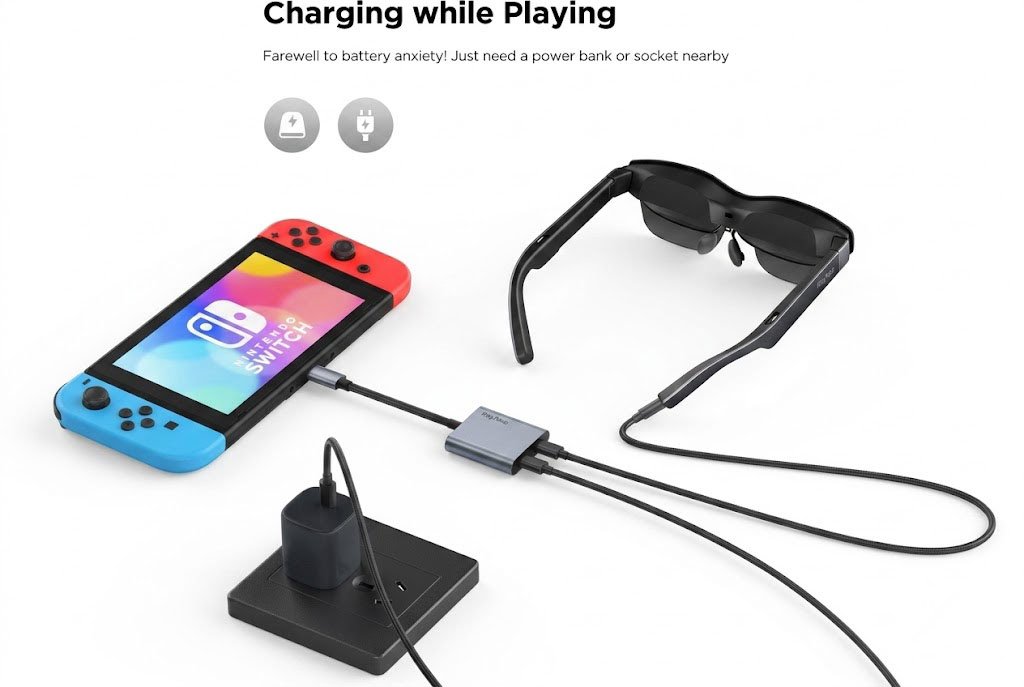
Whether you’re using a smartphone for streaming, a laptop for work, or even a gaming device, the transition is relatively seamless. This flexibility is one of the reasons RayNeo has gained attention among early adopters who value practicality over gimmicks.
There’s also something to be said for how intuitive the experience feels. Instead of navigating complex menus or gestures, much of the interaction mirrors what users are already familiar with. That simplicity is often overlooked but makes a big difference in long-term usability.
Who These Glasses Are Really For
Not every piece of tech needs to appeal to everyone, and that’s true here as well. RayNeo smart glasses are particularly well-suited for a few types of users:
Frequent travelers who want a better in-transit viewing experience without carrying extra screens.
Remote workers looking for a portable productivity boost.
Tech enthusiasts interested in integrating wearable displays into daily routines.
Casual users who simply want a more comfortable way to watch content.
What ties these groups together is a desire for flexibility. Instead of being tied to a desk or a specific device, they’re looking for tools that adapt to their environment.
The Subtle Shift Toward Wearable Screens
It’s easy to dismiss smart glasses as a niche category, but the trajectory suggests otherwise. As devices become lighter, more affordable, and more user-friendly, they start to feel less like accessories and more like extensions of existing tech.
RayNeo’s approach reflects this shift. Rather than overloading the glasses with experimental features, the focus remains on delivering a reliable, comfortable experience for everyday use. That restraint is part of what makes the product feel grounded and usable.
And while the category is still evolving, it’s becoming clear that wearable displays have a place—especially for people who value portability and efficiency.
Final Thoughts
Smart glasses are no longer just a glimpse into the future; they’re becoming a practical option for the present. With a focus on viewing comfort, productivity, and thoughtful design, RayNeo is helping define what that transition looks like.
They won’t replace every screen you use, and they don’t need to. Instead, they fill the gaps—those in-between moments where traditional devices fall short. Whether you’re catching up on a show during a commute or managing work tasks on the go, the experience feels more natural than you might expect.
For anyone curious about where personal tech is heading next, RayNeo smart glasses offer a compelling, down-to-earth starting point.